
Beginnings
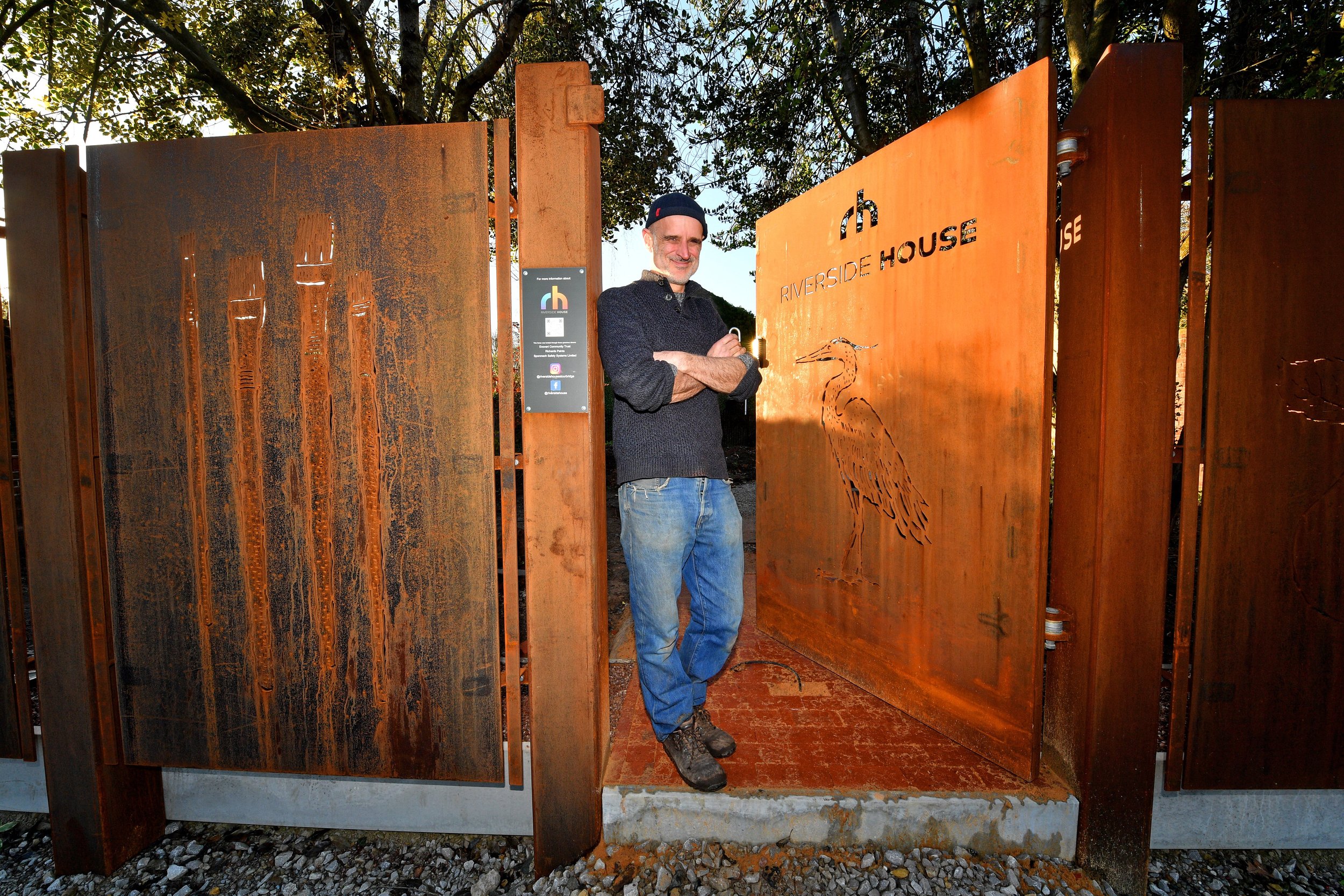
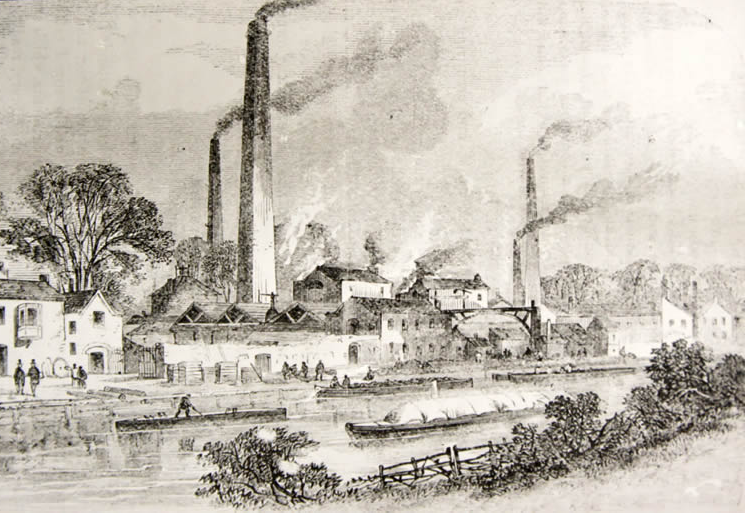
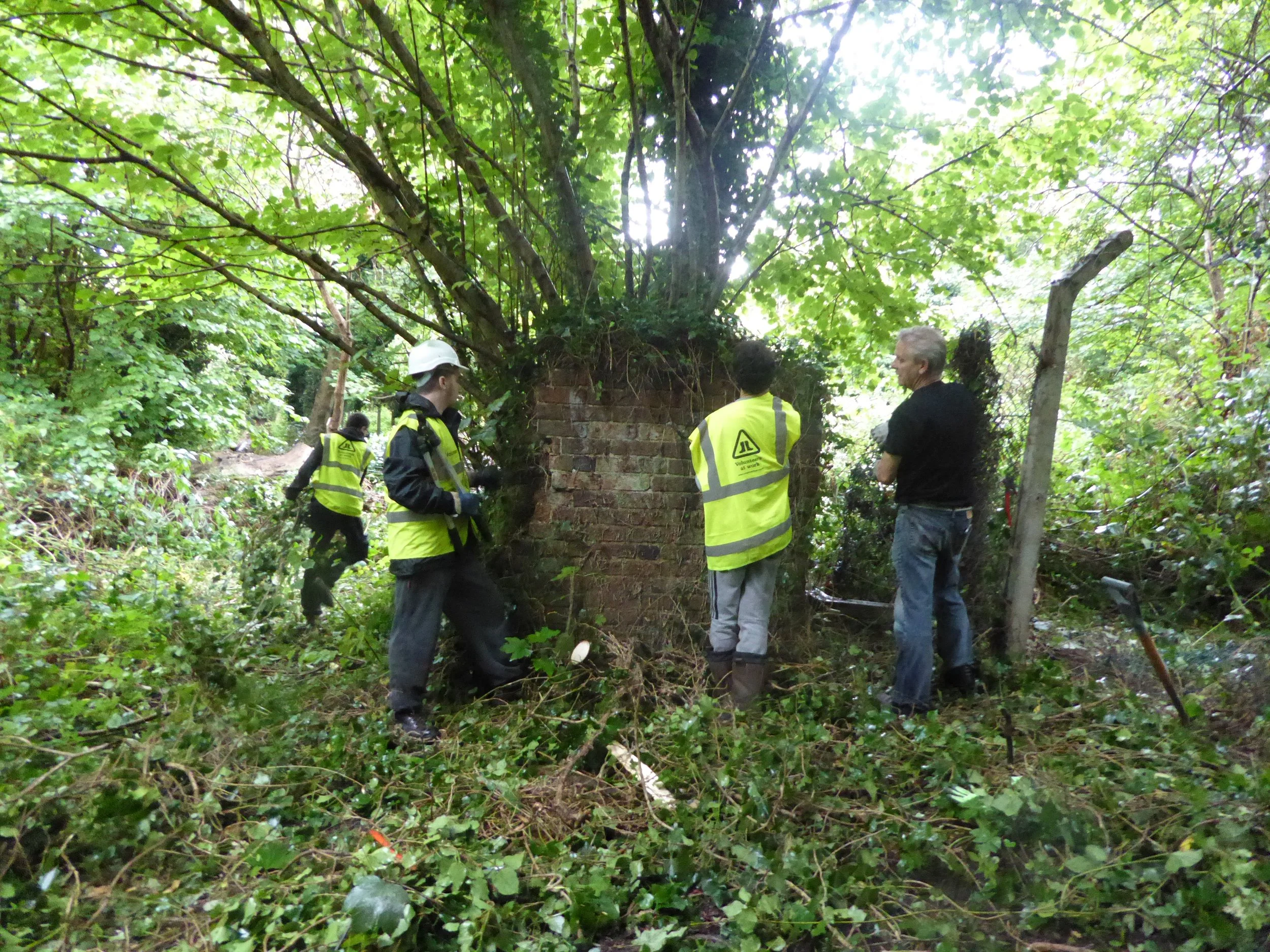
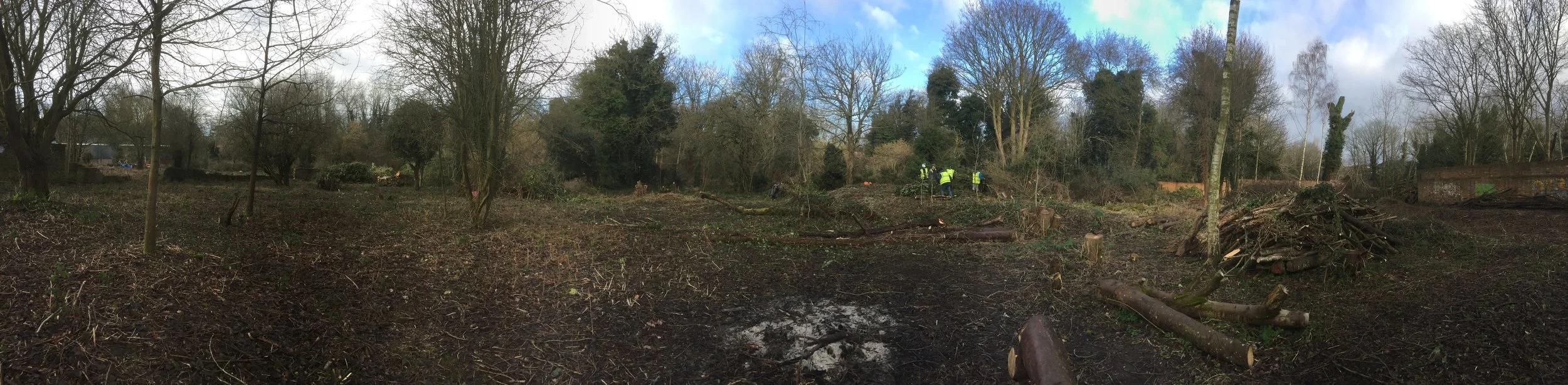
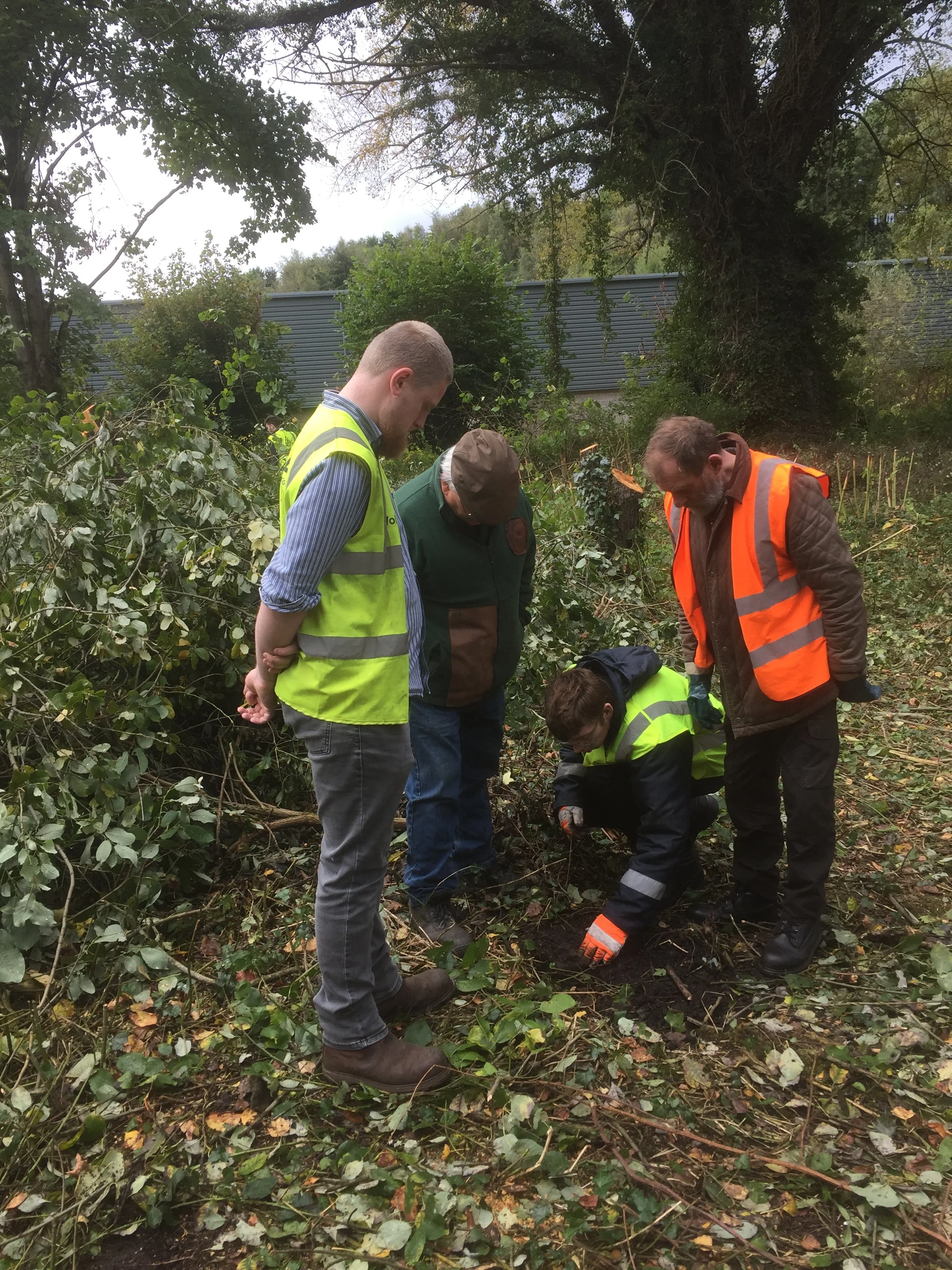
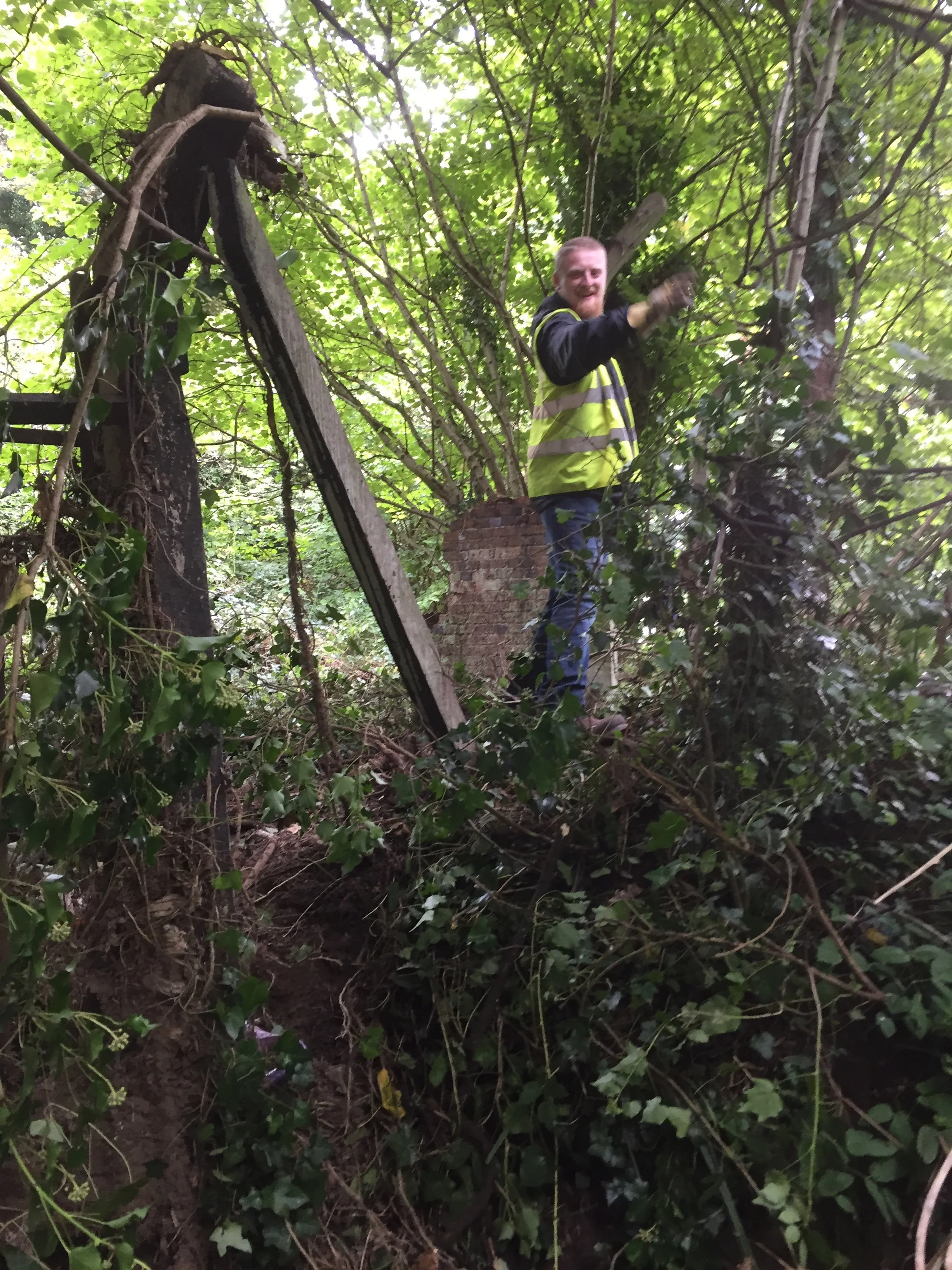
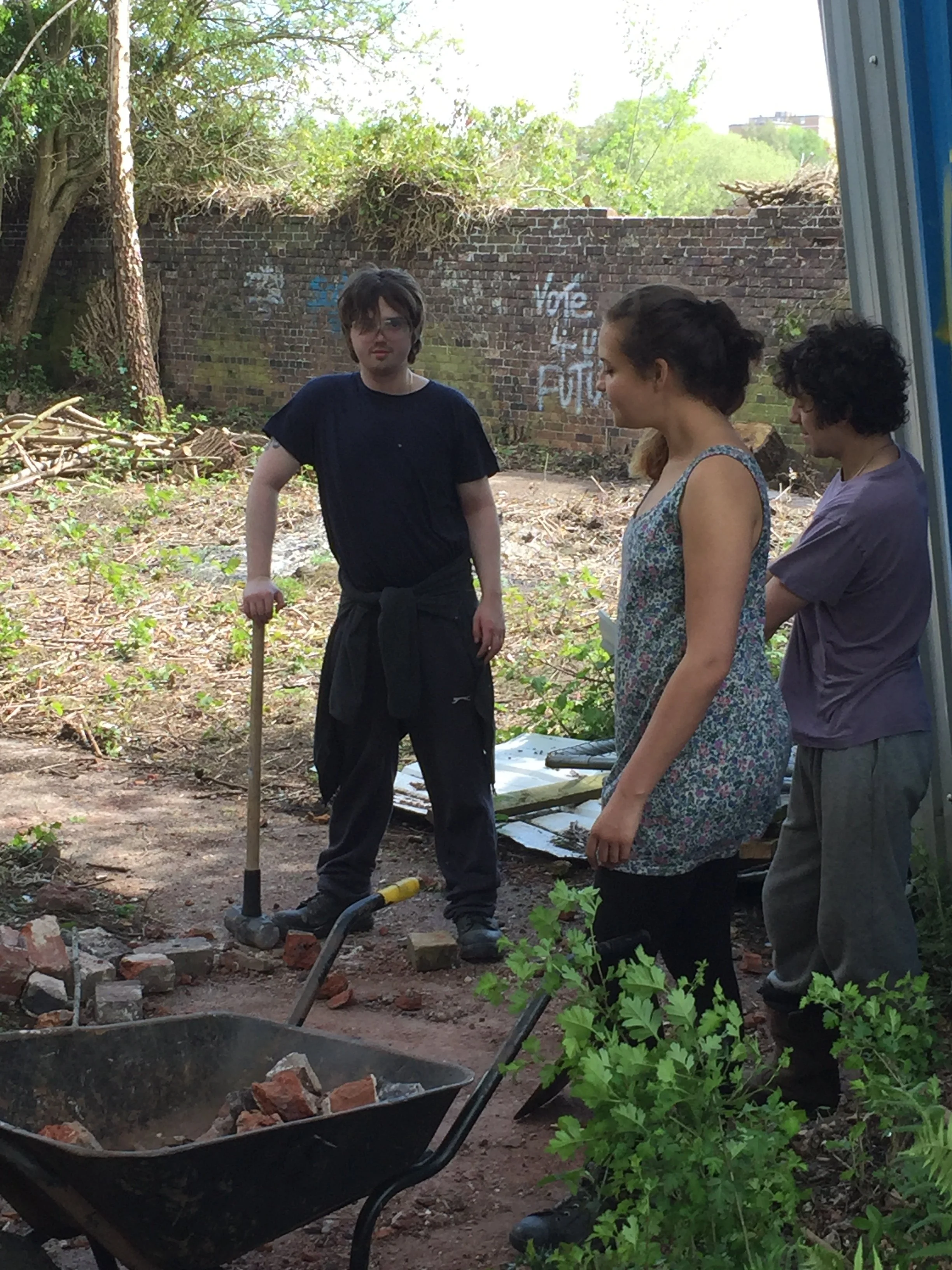
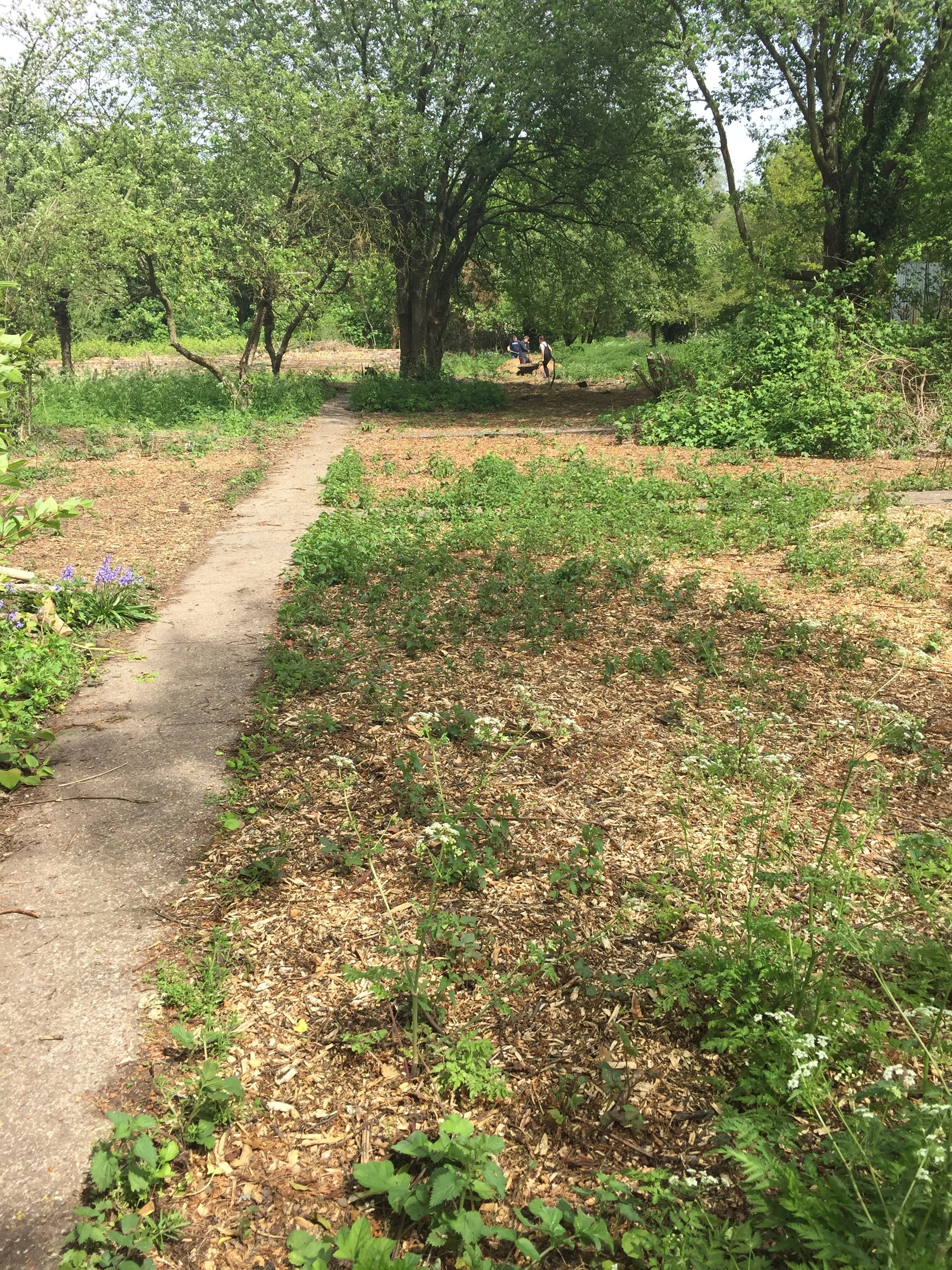
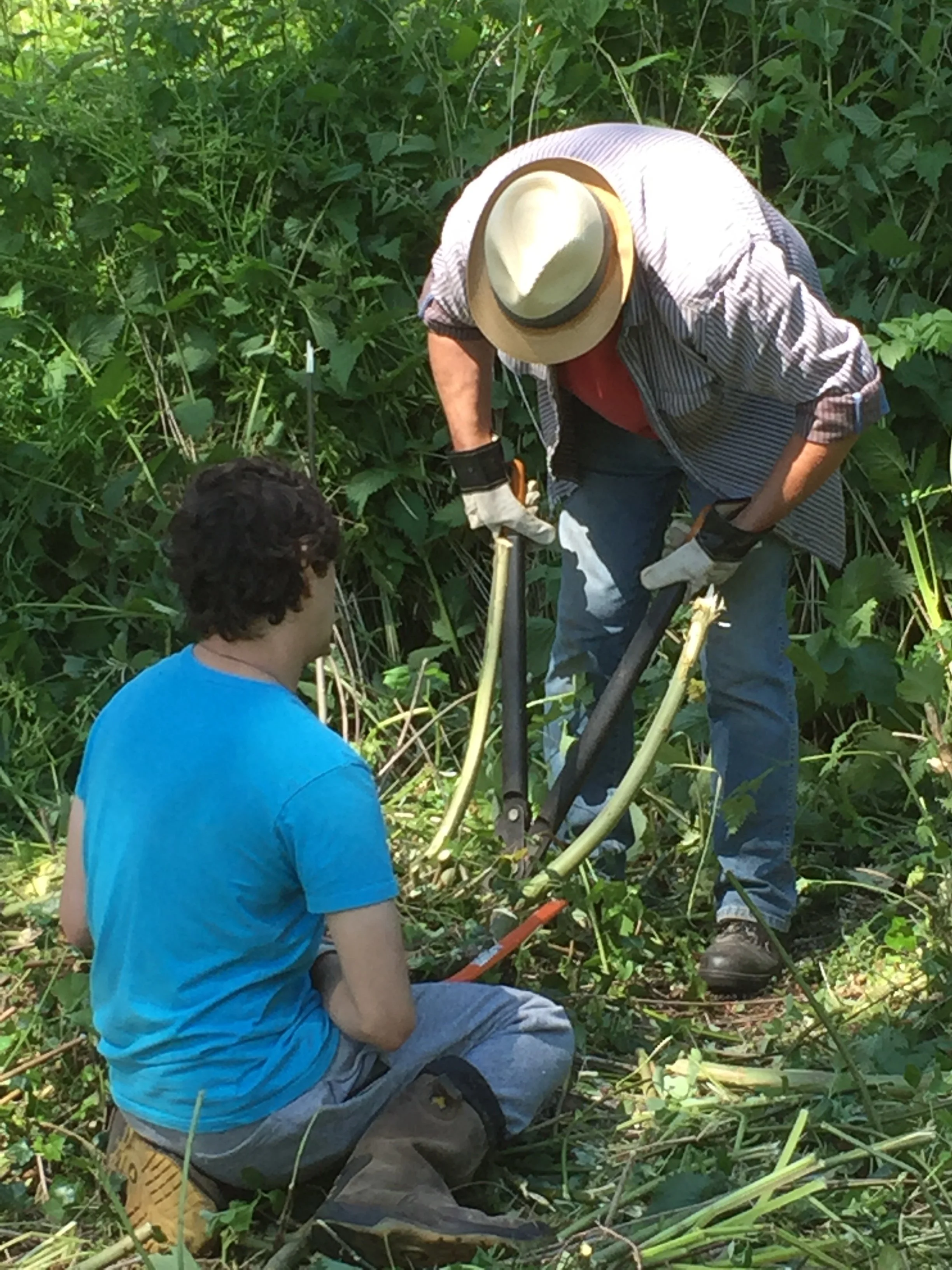
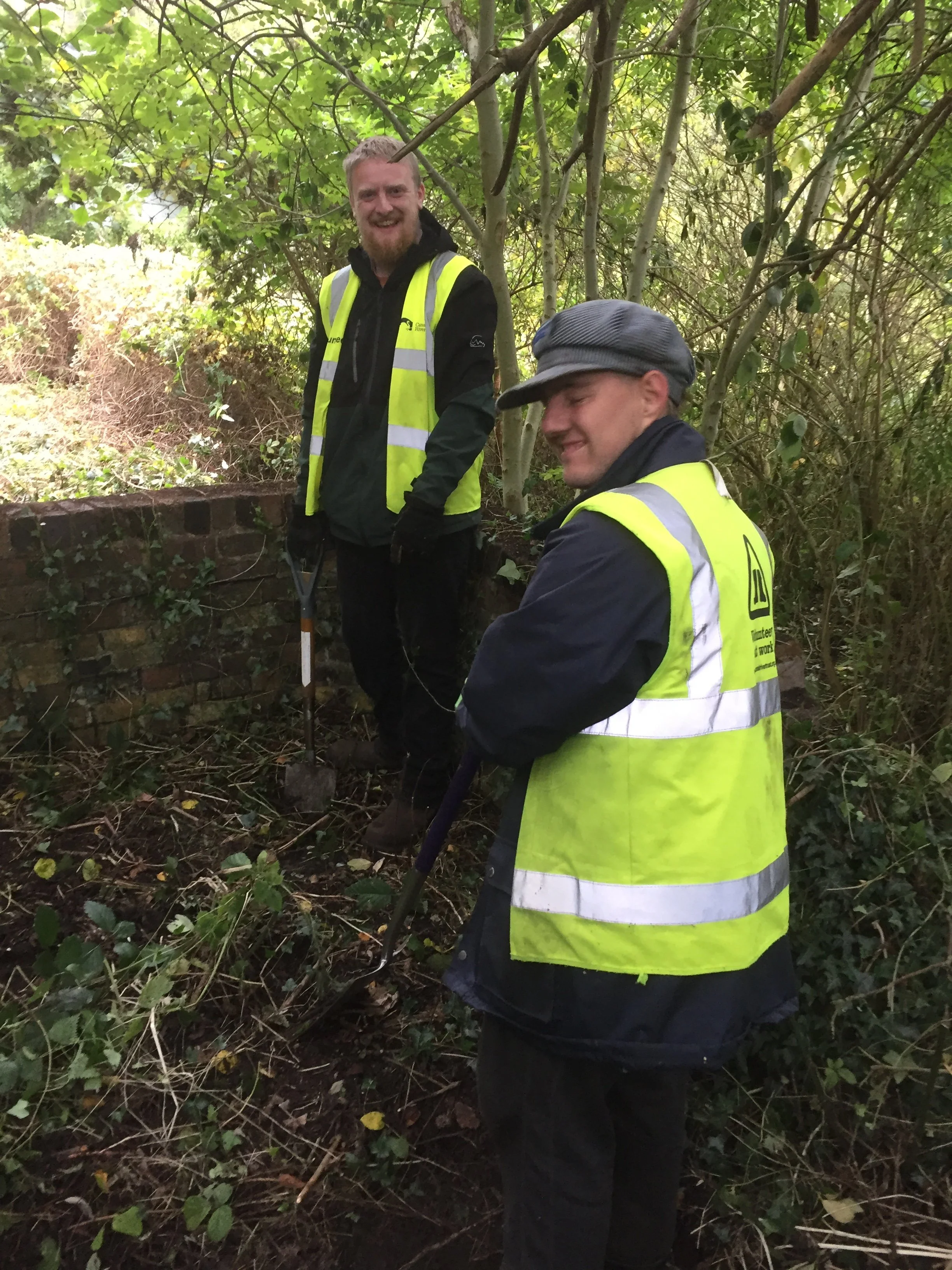
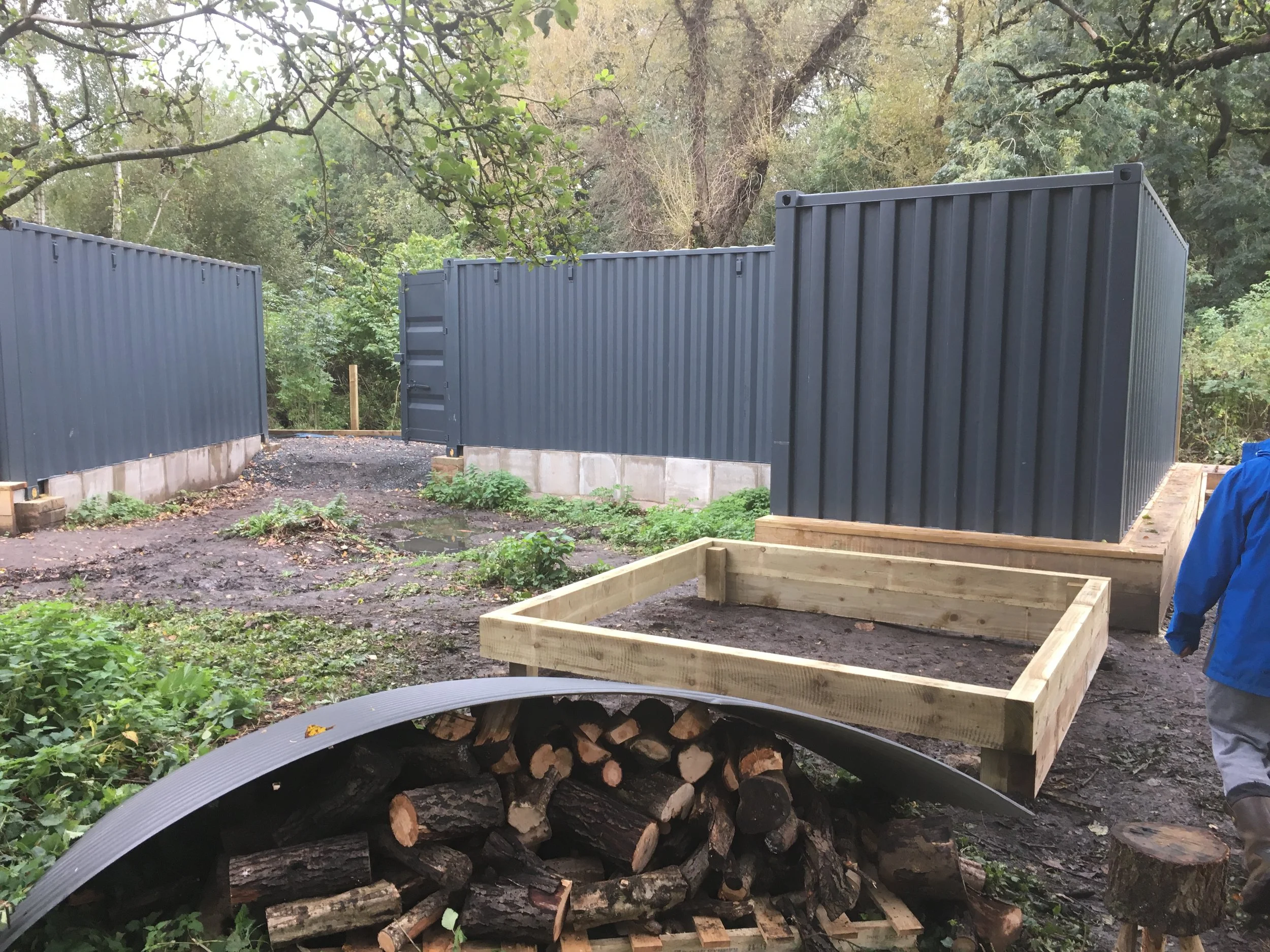
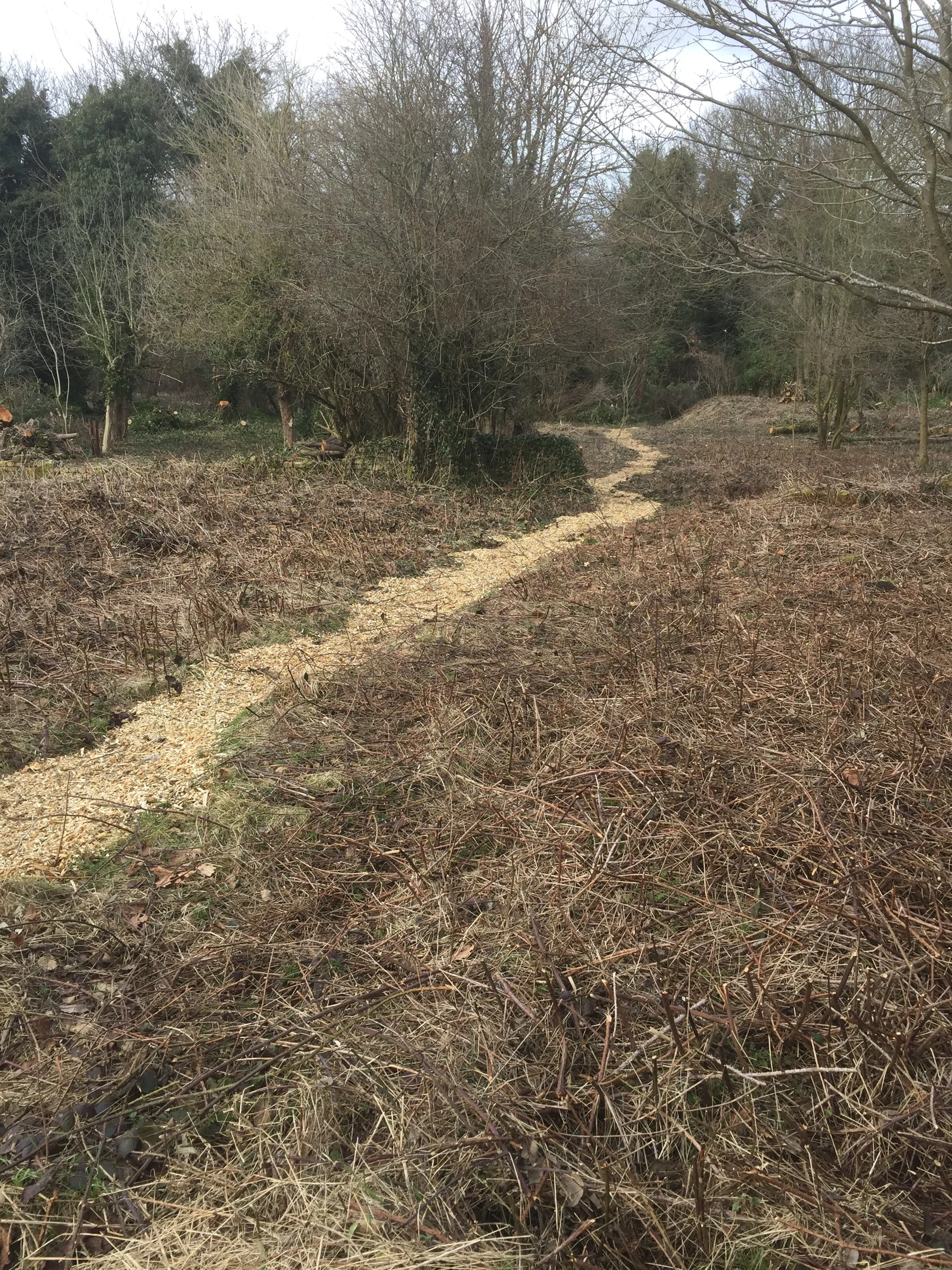
Riverside House was conceived on mid-summers day 2015 with boots on the ground in January 2017. The site had been abandoned for the previous twenty years and was completely overgrown - almost impenetrable. There were areas of fly tipping, heroin needles and a problematic anti-social vibe which included physical threats; a car being burnt out during the first few days of lockdown in 2020 and thousands of pounds of building materials destroyed.
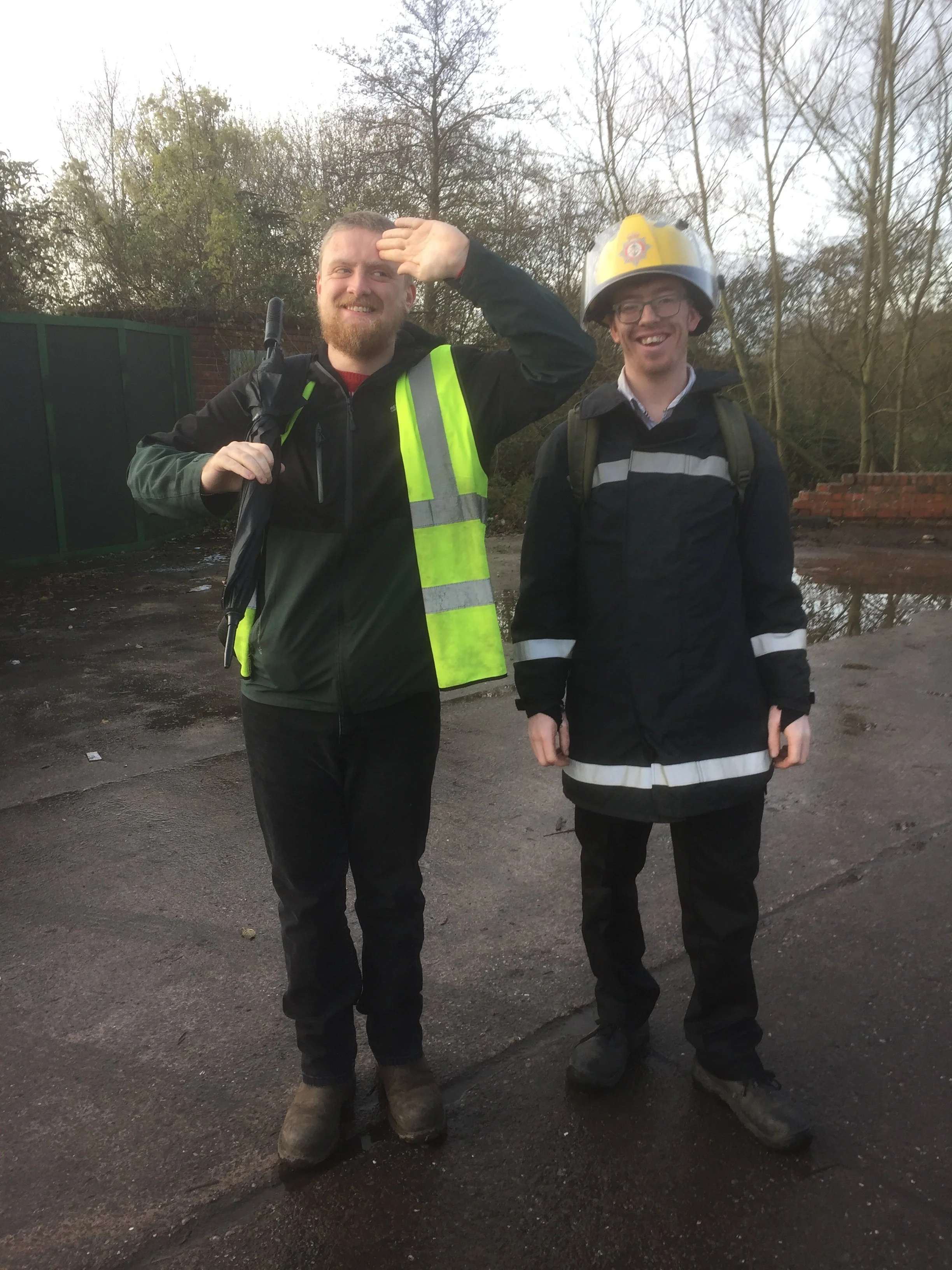
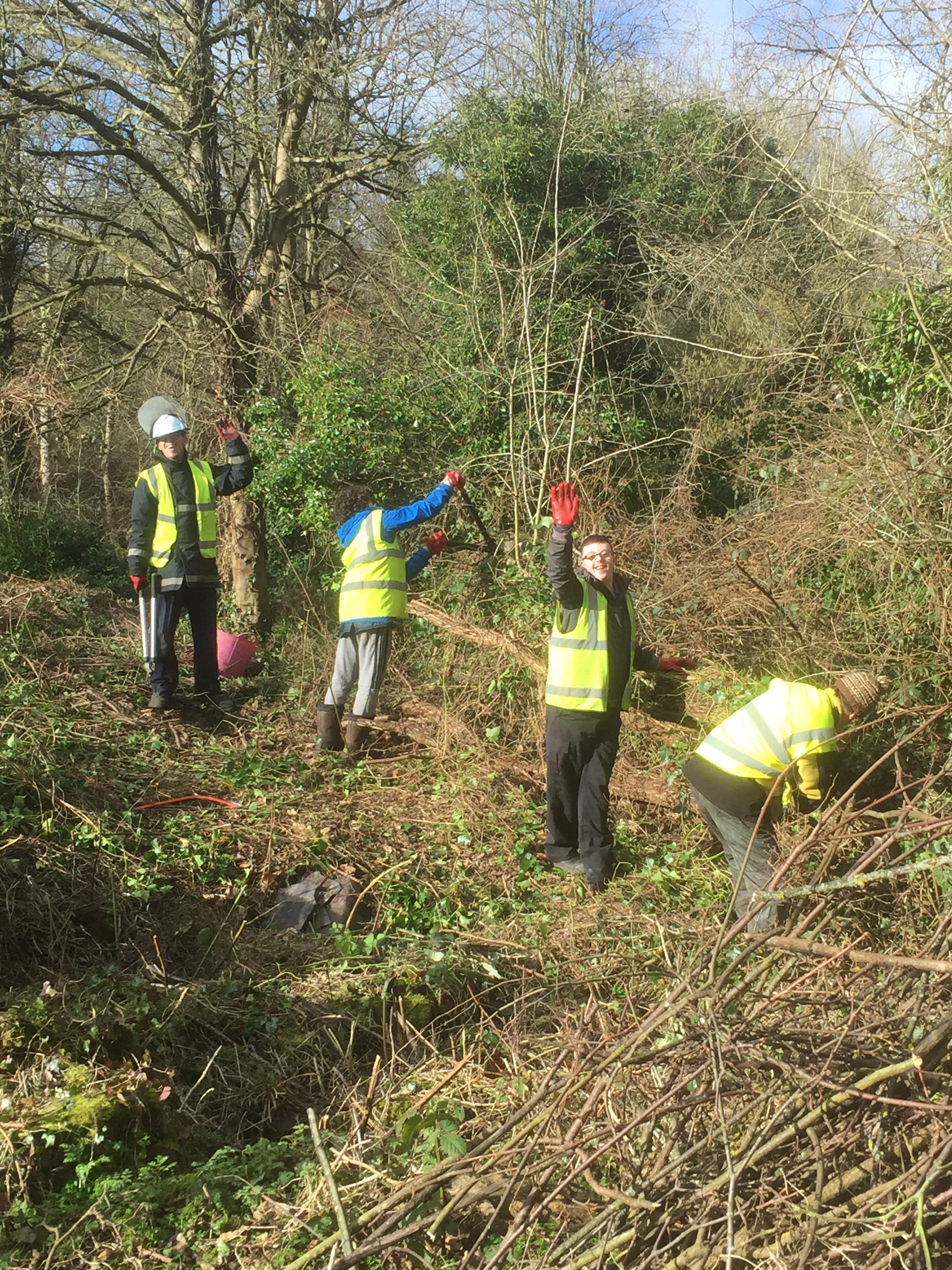
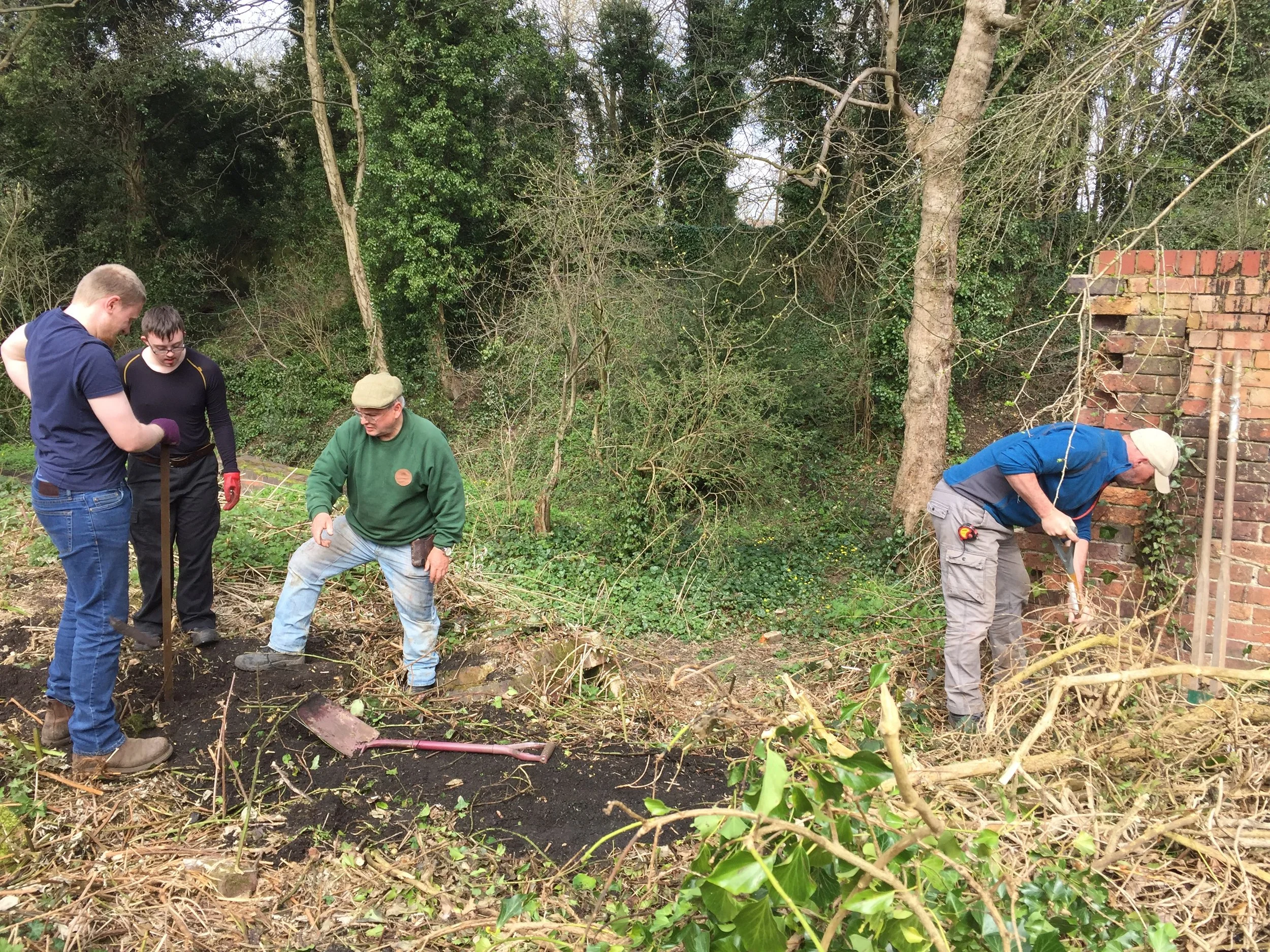
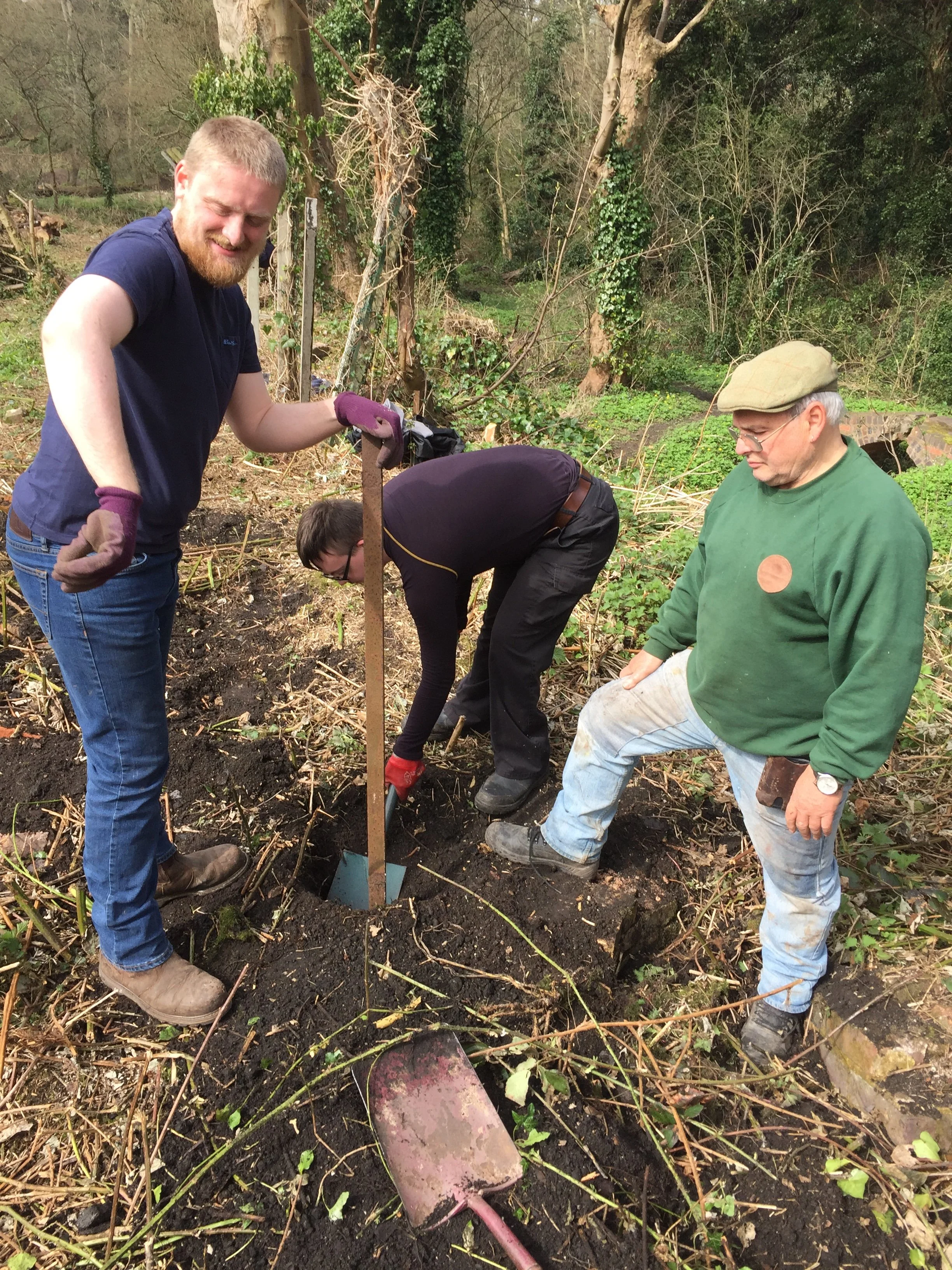
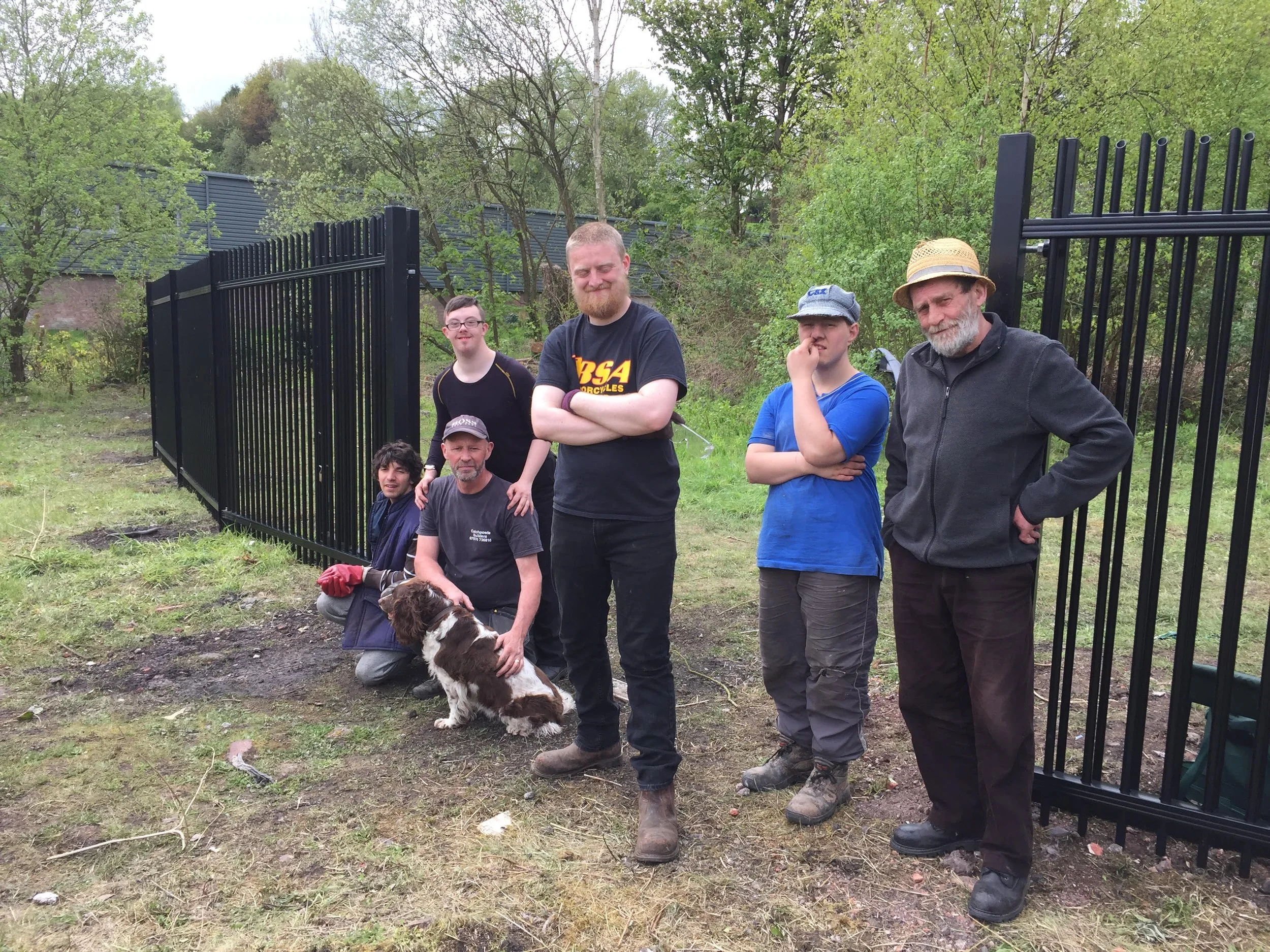
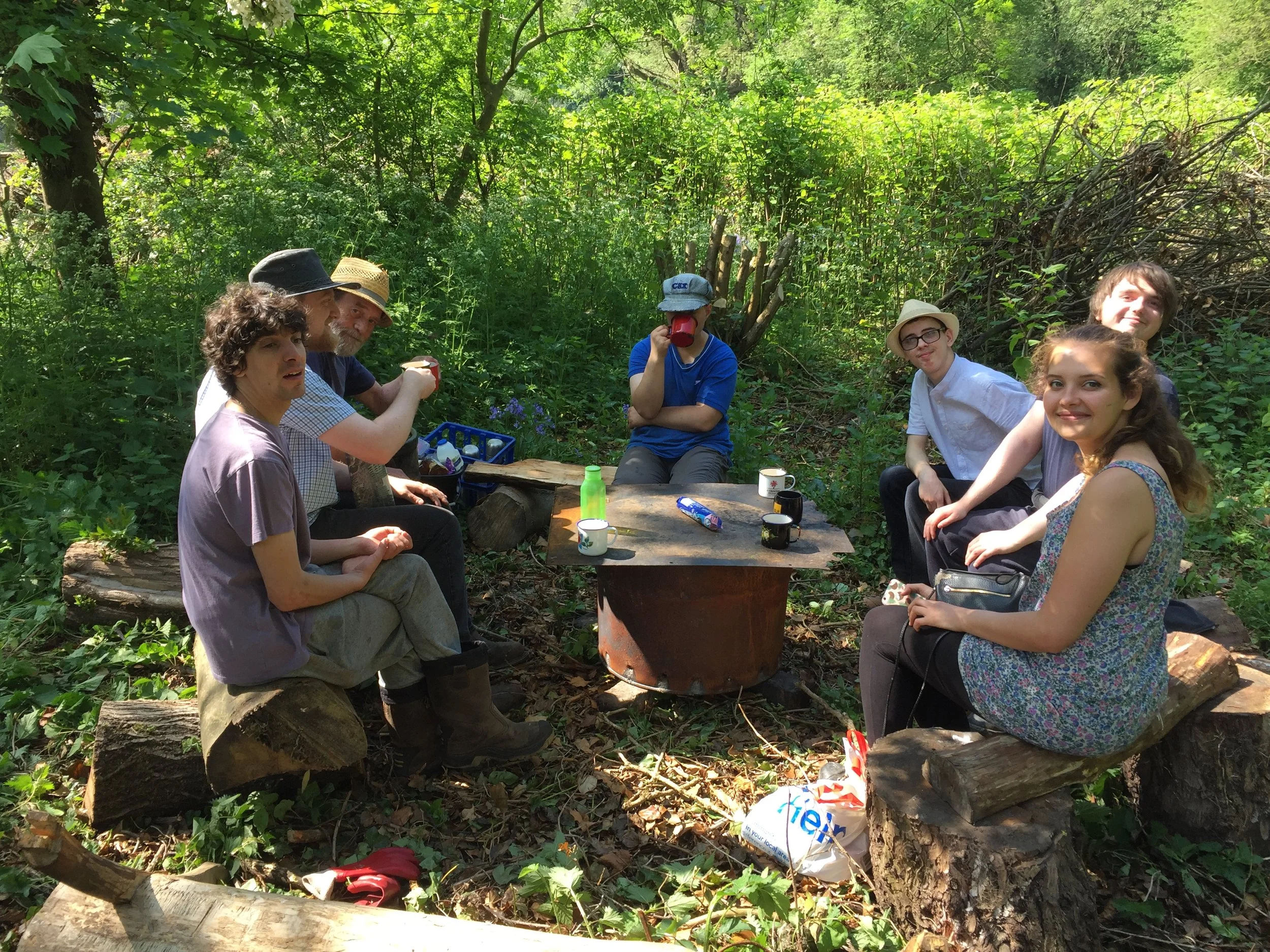
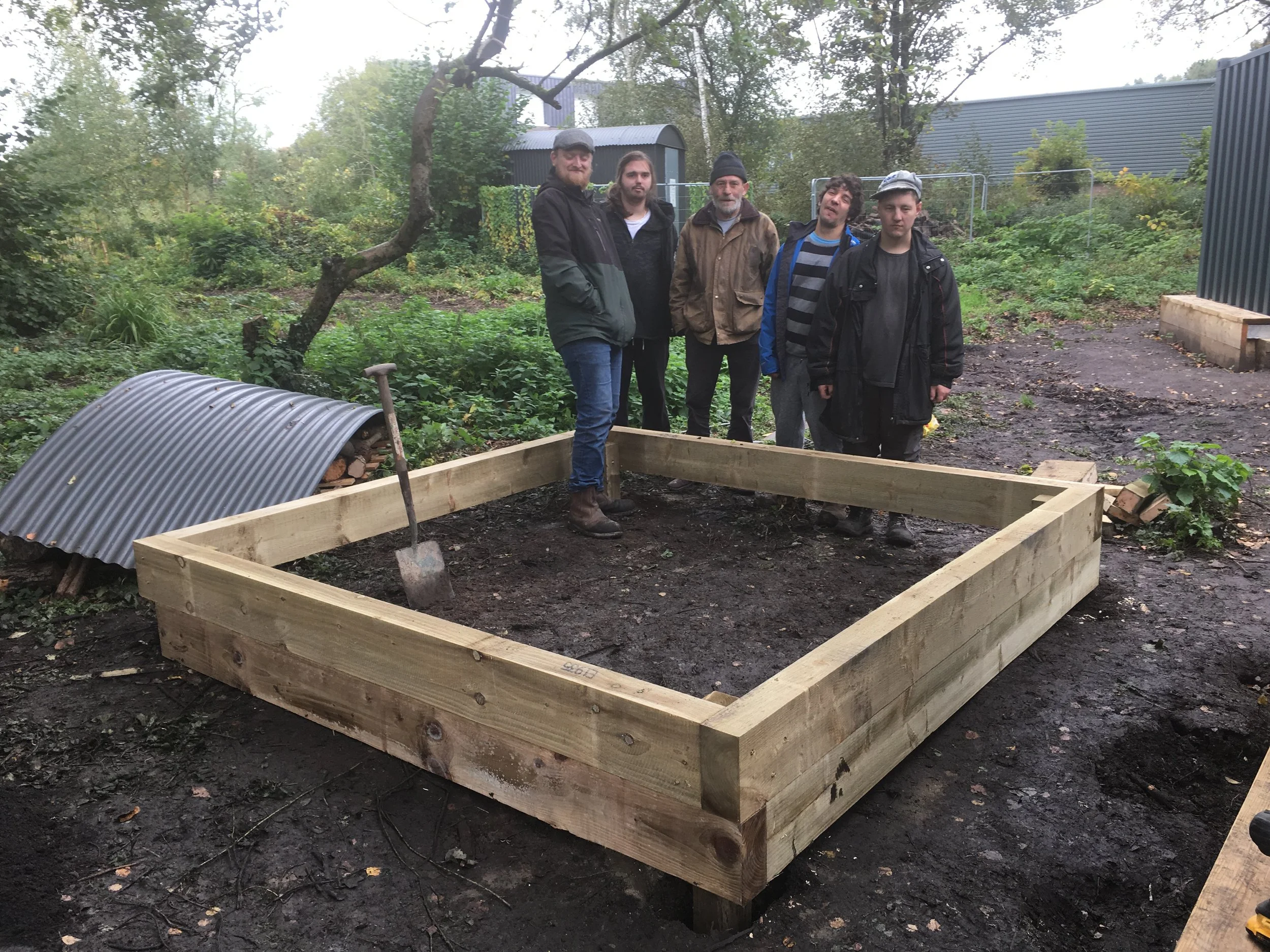
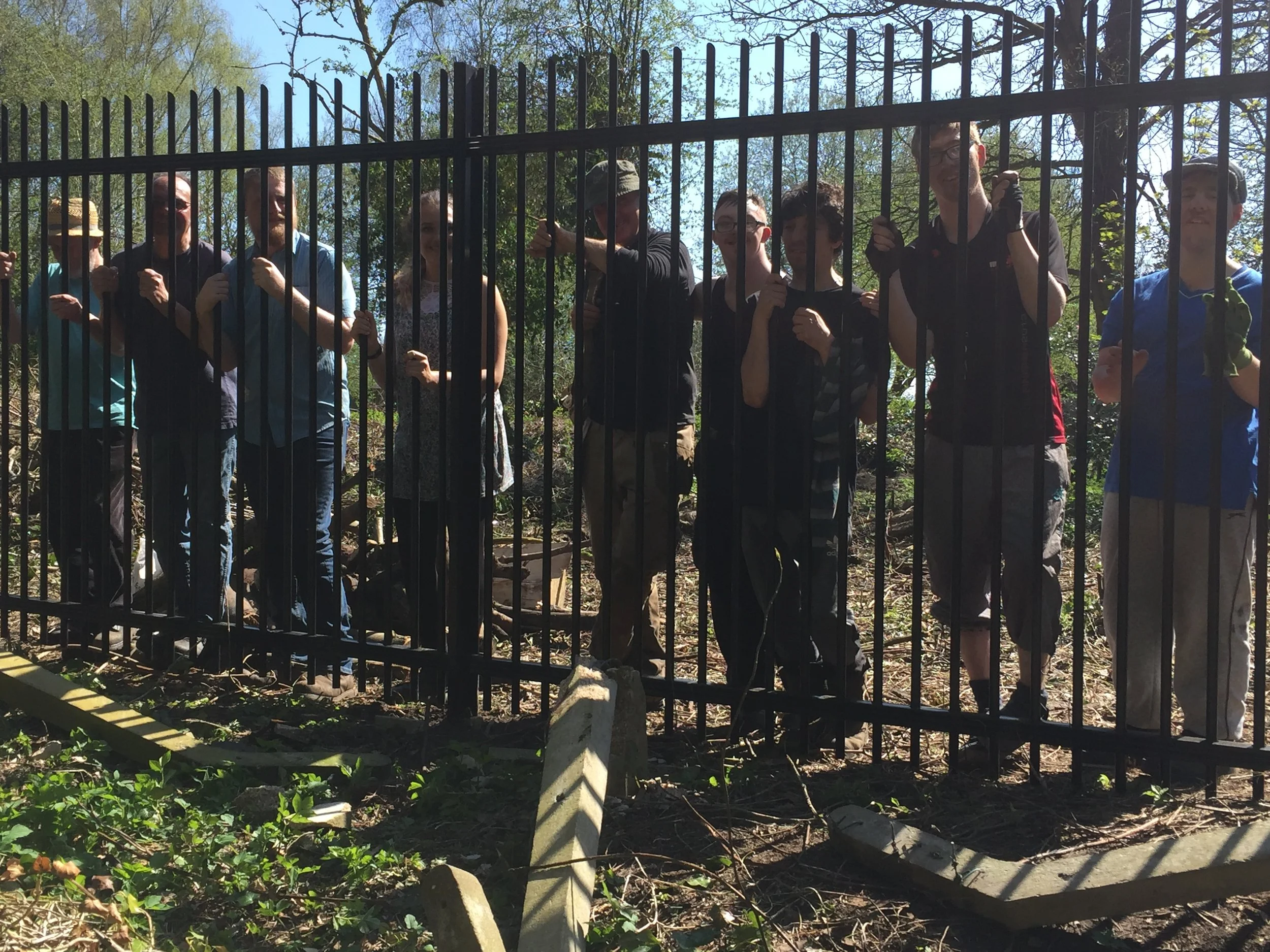
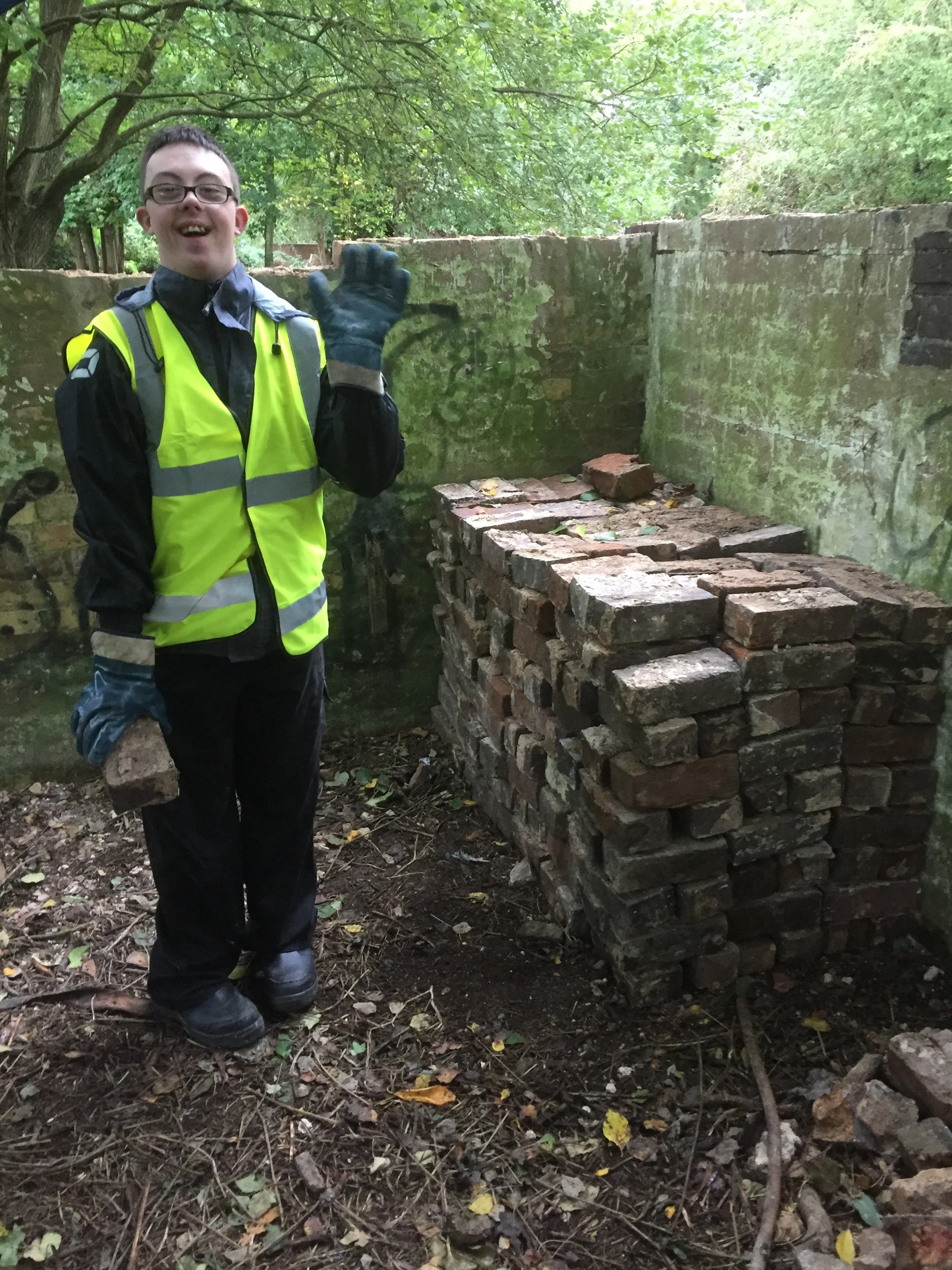
From the start the project involved people with autism and learning disabilities supported by local volunteers. It is accurate to say that the project would not have been possible otherwise and the engagement of this enthusiastic and exuberant group have transformed the site into what it is today. The group are justifiably proud of their achievement and have helped create something that is very special for the local community. The site was eventually purchased from the developers for £1 plus VAT who wanted to dispose of it as it was a significant financial liability
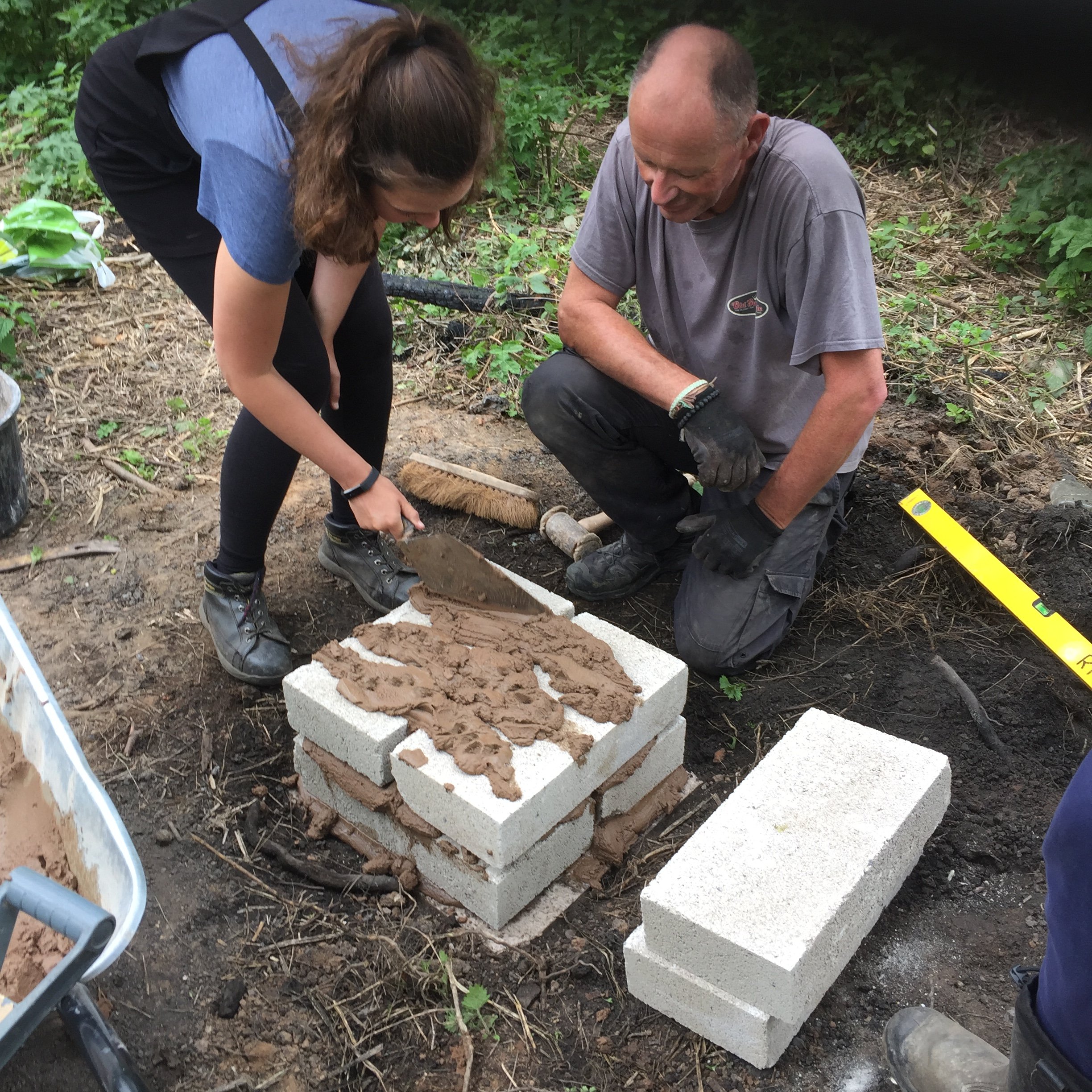
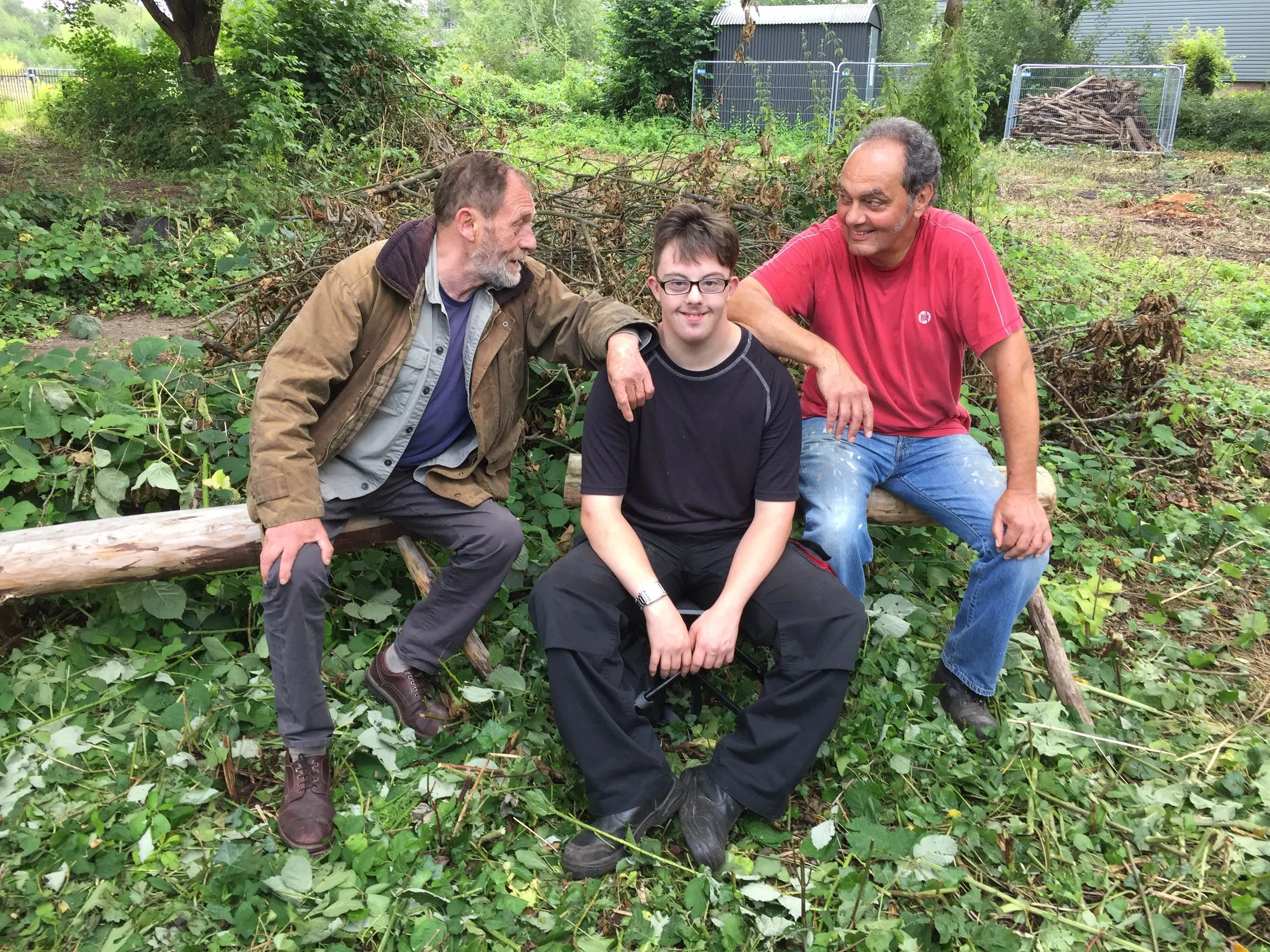
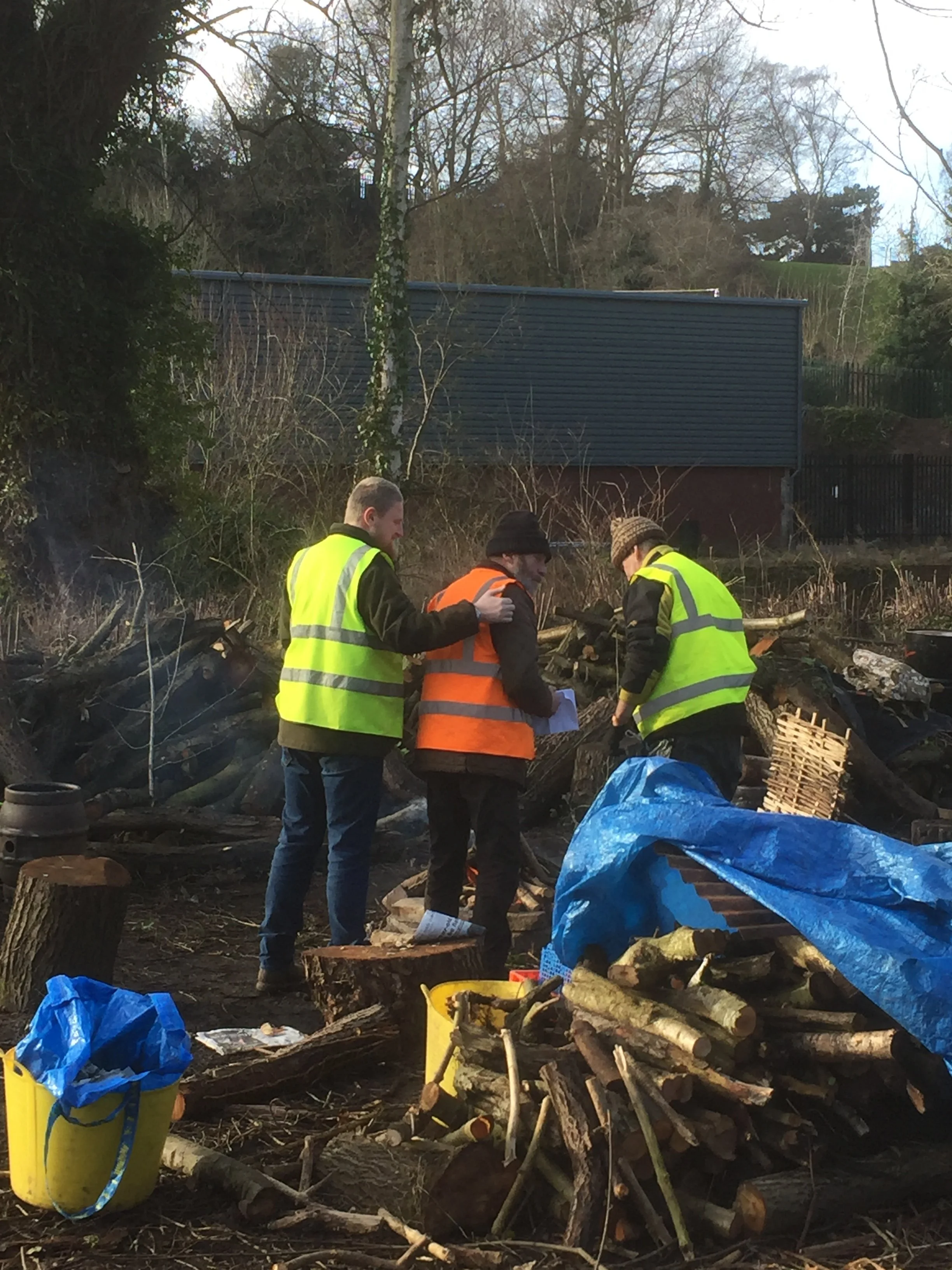
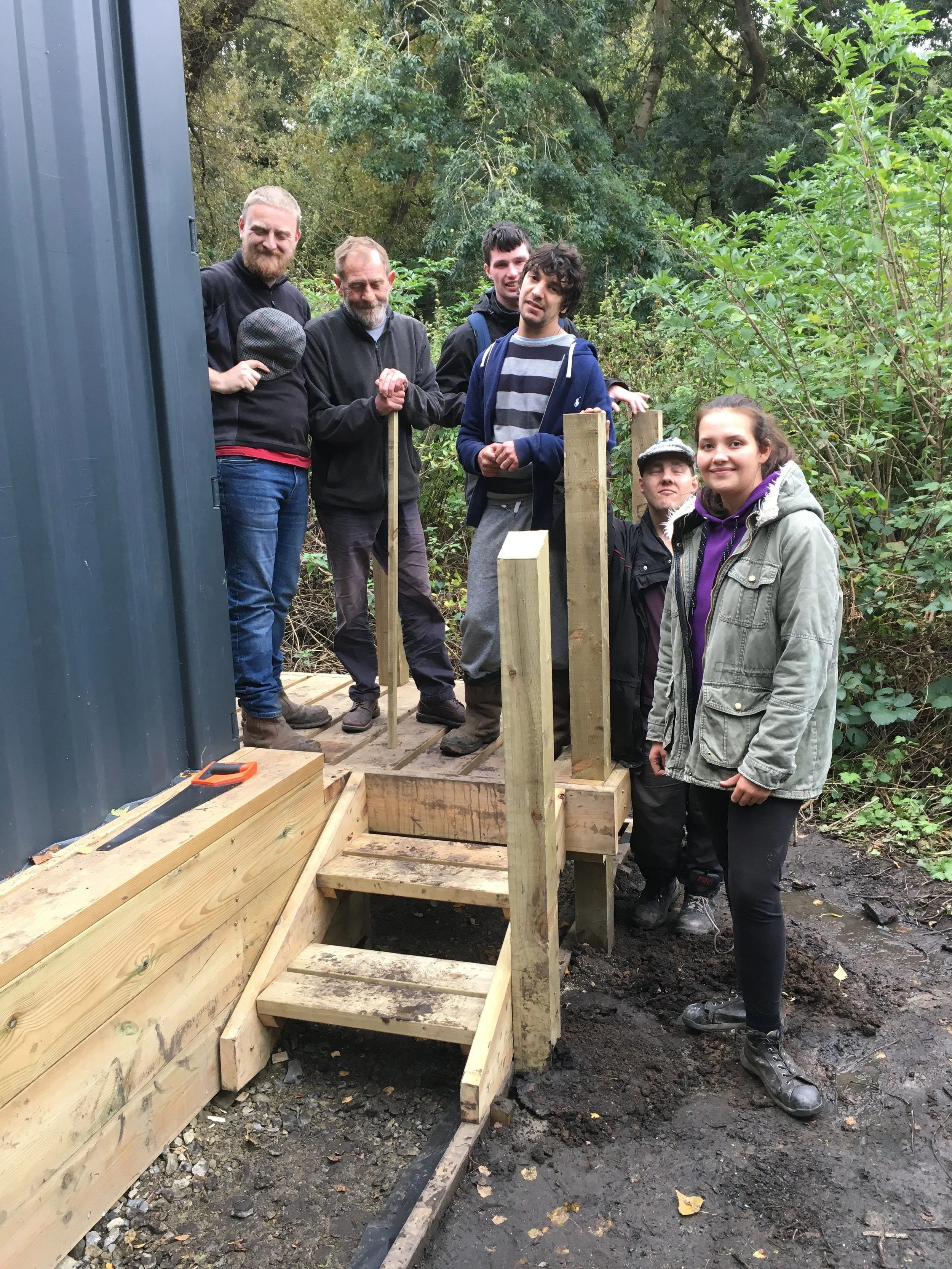
Transforming Places…
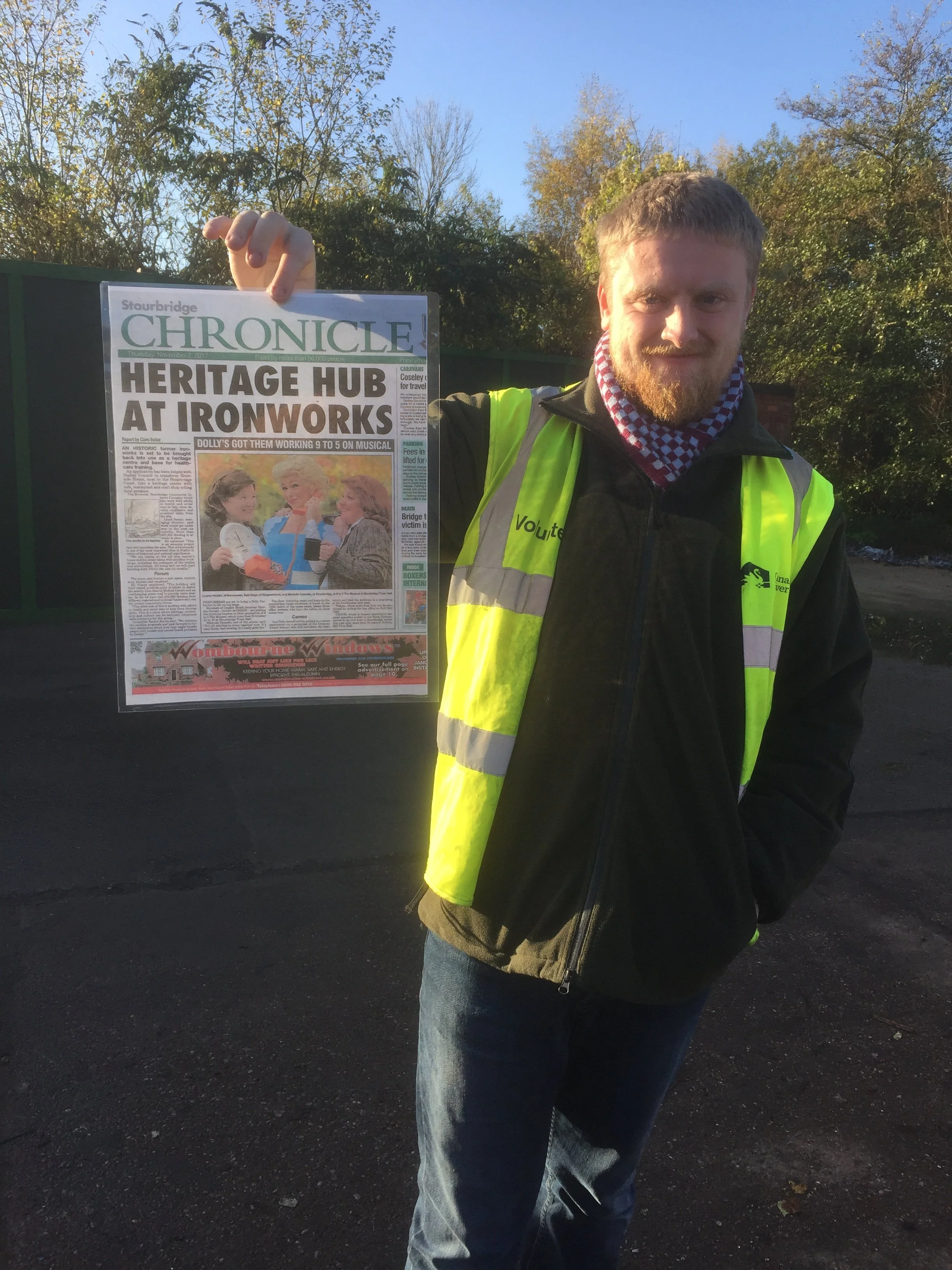
The project was conceived by Lloyd Stacey who took redundancy from his previous employment at 47. Some small grants were available for social entrepreneurs that subsidised his meagre redundancy money. Funding from education and social care made the project viable from 2017, when he was able to apply for larger capital grants to develop the project.
Based on previous experiences, Lloyd recognised that meaningful activities in a social and natural setting improved his own mental health and that of everyone else, hence the tagline Transforming Places can Transform People. In the first year the team were delighted to uncover old brick walls, cold frames, greenhouses, a walled garden and other small buildings. The project has since been dubbed the Black Country Lost Gardens of Heligan as well as a mini Eden project and even, on a couple of occasions, Narnia!
Image curtesy of Express & Star/Iconic Media Group.